
Pre Purchase Vehicle Inspection
PTJ’s Mechanical Services, proudly sevicing cars in the mornington peninsula area for over 20 years
Drive away with confidence by having your next car inspected by PTJ's
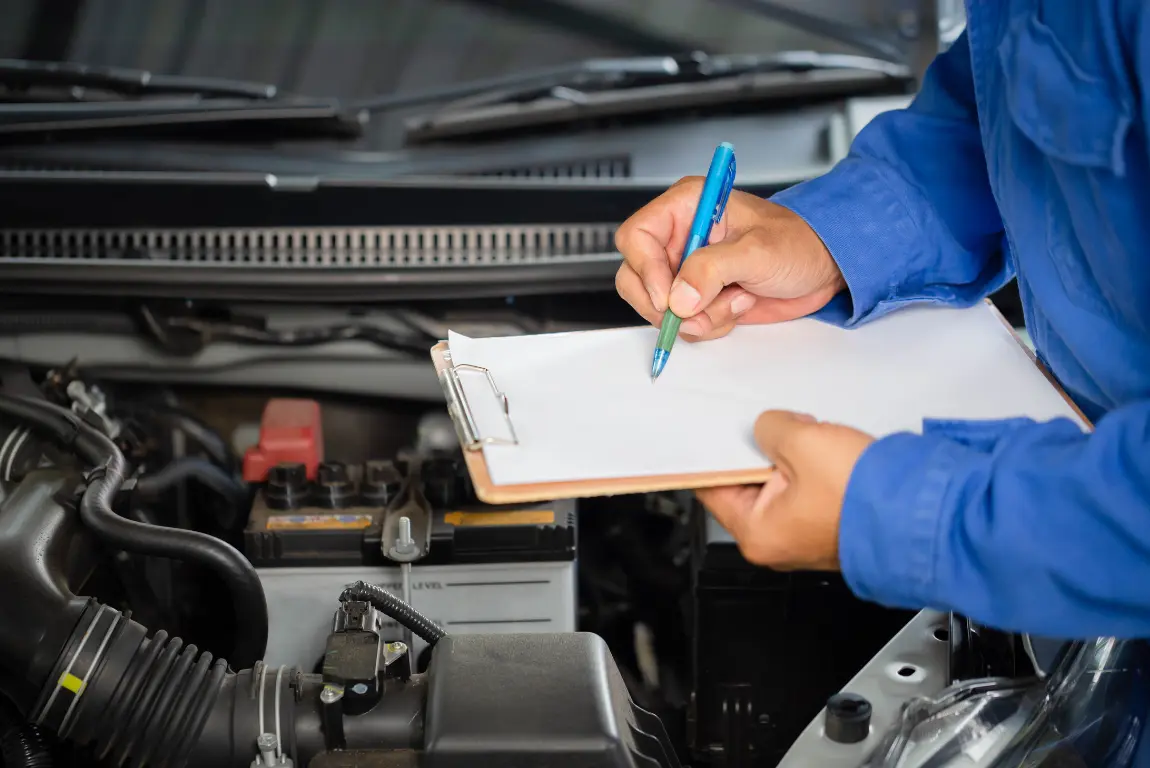
Our comprehensive assessment goes beyond a quick look, revealing the true condition of the vehicle and flagging any hidden concerns.
We meticulously inspect:
Mechanical Systems: From the engine and transmission to brakes, steering, and suspension, we check for leaks, wear, and proper operation.
Body & Structure: We look for signs of previous damage, rust, and ensure the chassis and frame are sound, helping you avoid potentially unsafe vehicles.
Interior & Electrical: All safety features, dashboard electronics, and accessories are tested, including scanning for fault codes that might not show warning lights.
Weekdays 8am – 5pm
Saturday by appointment only
If you need a vehicle, ask us about our courtesy vehicles! *Subject to availability
This expert mechanical insight will equip you to:
Negotiate with Authority: Use our detailed report to bargain for a fair price or request necessary repairs, potentially saving you thousands.
Avoid Costly Surprises: Prevent unexpected breakdowns and expensive repairs by identifying issues early.
Ensure Safety & Reliability: Gain peace of mind knowing your chosen vehicle is safe, reliable, and exactly what it claims to be.
Exterior and Bodywork Assessment
- Structural and Chassis Inspection: Specialised tools are used to measure frame straightness and check load-bearing points for distortions or bends. This includes looking for damage to crumple zones and subframe misalignment or weld repairs.
- Paint, Panel Fit, and Alignment: Surface inconsistency in paint color or texture, and uneven gaps along doors, guards, and the boot are examined, as these may signal repainted panels or improper panel replacement.
- Corrosion and Rust Evaluation: Checks for rust spots in areas like wheel arches, door sills, subframes, and boot floors, as corrosion can weaken load areas.
- Bumpers: Ensuring front and rear bumpers are secured and free of damage.
- Underbody: Inspection for rust, broken parts, or evidence of leakage.
Mechanical and Engine Assessment
- Engine Performance and Leak Check: Observing how smoothly the engine starts (cold start is ideal), listening for knocking, rattles, or inconsistent idle. We inspect for fluid leaks at oil pans, cylinder heads, and gaskets.
- Fluid Analysis: Sampling and assessing brake fluid, coolant, transmission fluid, and engine oil for contamination, discoloration, metal particulates, and correct levels.
- Belts and Hoses: Scrutiny for wear, cracks, bulges, inconsistencies, and tightness of components like the serpentine belt, radiator hoses, and power steering belt.
- Transmission and Drivetrain Examination: Testing for smooth shifting through all ratios without hesitation or grinding. This includes verifying clutch engagement, torque converter functionality, and differential health during a test drive.
- Brakes: Checking for squishy brake pedals, correct fluid levels, and absence of air in the lines. Visual inspection for excessive wear, corrosion, or sticking. Measurement of disc/rotor thickness and pad thickness.
- Steering and Suspension: Evaluation for alignment issues, steering problems, and poor handling. Inspection of components like springs, shocks/struts, bushings, control arms, sway bar links, and ball joints for movement, excessive noise, or leaks.
- Engine Timing and Wear Indicators: Checking timing belt or chain condition and service intervals to verify no overdue replacements.
- Cooling System and Head Gasket: Pressure testing the cooling circuit and analysing coolant residues to detect micro-leaks or combustion gas ingress. Radiator is inspected for blockages (mud, insects, seeds) and thermofan operation.
- Drive Shaft and Uni Joints: Checking the center bearing and uni-joints for excessive play or oil leaks.
- Axle Oil Seals: Inspecting for leaks near the ends of axles that could affect brakes.
- Driveline Oils: Checking levels and condition for front differential, transfer case, manual/automatic transmission, and rear differential.
Interior and Electrical Inspection
- Safety Features: Visual and diagnostic checks of airbags, seatbelts, and head restraints to ensure readiness.
- Cabin Wear: Examination of upholstery, seat adjustment mechanisms, and sliding tracks for wear or neglect.
- Dashboard Electronics and Fault Codes: Use of an on-board diagnostics (OBD) reader to scan for active or stored fault codes across engine, transmission, ABS, and stability systems.
- Comfort and Accessory Functionality: Testing air conditioning performance, cabin ventilation, power windows, mirrors, infotainment screens, heated seats, switches, and speakers. Sunroof operation is also checked for smooth function and any leaks.
- Horns: Checking if the horn is loud enough and functioning.
- Defrosters and Heating: Ensuring these basic requirements are working correctly and hot air is blowing from them.
- Wipers: Checking windshield wiper blades for streaks or wear and if replacing them is necessary.
Tires, Wheels, and Lights
- Tires: Inspection for cracks, bulges, cuts, or uneven tread wear. Checking tread depth and ensuring tires are suited for the load and terrain.
- Wheels/Rims: Checking for damage, rust, buckles, or dents on the rim.
- Lights: Regular checks of headlights, taillights, turn signals, fog lights, backup lights, and emergency flashers.
Test Drive
- A brief road test is conducted to check for engine and transmission operation.
- For a comprehensive evaluation, a drive cycle is important to observe real-world performance, including how the vehicle behaves under specific stresses or road surfaces. This includes checking for smooth gear engagement, straight braking, direct steering, and listening for unusual noises during acceleration or turns.